Department of Conservation and Recreation
Conserve. Protect. Enjoy.
Department of Conservation and Recreation



Underpinning the efforts of the Virginia Natural Heritage Program to conserve the Commonwealth’s biodiversity is a database that holds the official state records.
This database, Biotics, contains observations made by staff scientists and other experts of rare plants, animals, unique geological features like caves and outstanding natural ecosystems. It is the platform used throughout much of the network of Natural Heritage programs in North America.
Plant and wildlife enthusiasts who use the iNaturalist community science app in Virginia now have a chance to contribute to the knowledge of rare species by providing their own field observations through the app. Natural Heritage staff are analyzing iNaturalist data and adding the highest-quality observations to Biotics.
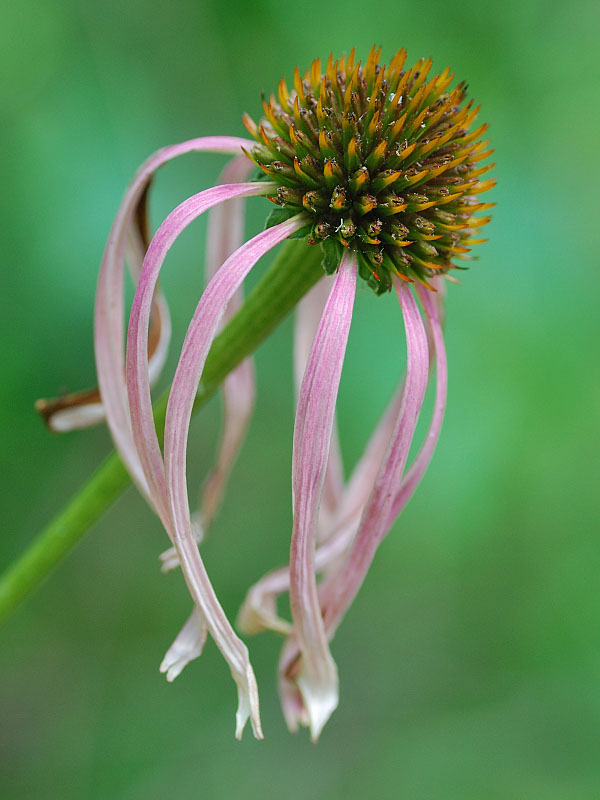
As of July, there had been more than 12,000 observations in iNaturalist across the state of the species that are tracked by Natural Heritage. Users of iNaturalist, which launched in 2008, have uploaded data about these species dating back to the 1970s. State biologists have reviewed hundreds of them so far, and have added more than 100 of them into Biotics. Others are being reviewed for additional information.
The lists of rare plants and rare animals in Virginia are updated every quarter. To check if a species is tracked, see and download the lists here: https://www.dcr.virginia.gov/natural-heritage/infoservices#lists.
Alternatively, or if you don’t use iNaturalist, observations of rare species can be provided to Natural Heritage by submitting a rare species sighting form.
If using the iNaturalist app, here are some things to keep in mind that will help our biologists analyze your observations:
Good luck, and thank you!
Categories
Birding | Conservation | Native Plants | Natural Heritage | Nature
Tags
native plants