Read Our Blogs
5 things to experience at Kiptopeke State Park
Nestled along Virginia’s breathtaking Eastern Shore, Kiptopeke State Park is the perfect destination for outdoor enthusiasts, families and nature lovers. Located just three miles from the Chesapeake Bay Bridge-Tunnel, this coastal hidden gem offers stunning bay views and endless opportunities for recreation and relaxation. Discover more than five miles of scenic trails winding through diverse habitats, from maritime forests to sandy dunes. Whether you’re hiking, biking, or simply strolling, every path offers a one-of-a-kind chance to connect with nature.

Unwind on the park’s sandy swimming beach, ideal for sunbathing, splashing, and soaking up the serene beauty of the Chesapeake Bay. For anglers, the lighted fishing pier provides a perfect spot to cast a line day or night. As a key stop along the Atlantic Flyway, Kiptopeke is a haven for bird enthusiasts. From majestic raptors to colorful songbirds, the park offers incredible opportunities for wildlife observation throughout the year.
1. Birdwatching
Kiptopeke offers recreational access to the Chesapeake Bay and the chance to explore a unique coastal habitat that serves as a major flyway for migratory birds. The park’s Taylor Pond is a freshwater pond with two wildlife viewing blinds and a native species garden.

At the edge of Virginia’s Eastern Shore, Kiptopeke State Park has become a haven for anyone who loves birds. More than 300 species move through its patchwork of shrub thickets, pine woods, freshwater ponds and open shoreline. Depending on the season, the park feels like a new world each time you visit.
Spring and fall are the busiest times, when many colorful songbirds pass through the area. Each fall, the hawkwatch platform comes alive as observers count as many as twenty thousand birds of prey, including osprey, sharp-shinned hawks, merlins, as well as the occasional peregrine soaring across the sky. Experience the songbirds and raptors that make Kiptopeke the largest migratory stop-over on the Atlantic Flyway.

Winter brings a quiet kind of magic to the shore. Ducks like brant, scaup and buffleheads gather on the pond, and sometimes a special visitor, like a harlequin duck, can be spotted riding the waves. Gulls, pelicans and terns glide between the water and the sky near the beaches and the pier. You can see numerous bird safely nesting along the concrete fleet of ships. The endangered northeastern beach tiger beetle is a rare little creature that scurries quickly across the soft sand.
The hawkwatch platform is a great place to spot birds throughout the year. You may even meet some new birding friends as this platform provides a nice connection to nature and to community birders.

The summer heat doesn’t stop the birds from visiting this spectacular park. You will see and hear a variety of birds during the summer months.
Here are some tips for Summer Birding:
- Early mornings and late afternoons are best for warblers and songbirds.
- Check forest edges for flycatchers, thrushes and sparrows.
- Listen for calls to locate canopy warblers. They often reveal themselves with songs before being seen.
- Respect wildlife: Keep a safe distance, especially from nesting birds and the tiger beetle.
- Always tread lightly as the creatures here depend on the quiet wildness that makes Kiptopeke such an extraordinary place.

2. Trek the trails
The park offers 5.1 miles of hiking and biking trails that are full of unique scenery. Explore upland hardwood forest along Baywoods Trail and look for tracks of foxes, deer and many birds. The southern beach is also perfect for hiking. The upland Baywoods Trail and southern beach are connected by extensive boardwalks so that visitors may explore Kiptopeke’s dune formation. Bicycle trails are available along the park’s entrance road and the Raptor, Songbird, Chickadee and Mockingbird trails.

You can bring your own bike or rent one from the camp store.
Remember to log your hikes as part of Trail Quest, a fun, self-paced program that rewards for visiting Virginia State Parks.
You can also enjoy self-guided hikes and activity sheets for added adventure along the way.

3. Enjoy history on the beach
You may not think about history when you plan a beach day, but these concrete ships are hard to miss when you are on Kiptopeke’s shoreline.

Just west of the beach, you will be able to see the nine concrete ships from 1944 that rest in about 20 feet of water. They were built during World War II, when steel was scarce, and a few even helped form temporary harbors during the D-Day invasion in Normandy. The ships now at Kiptopeke once served as transport and training vessels in the South Pacific. In 1948, they were sunk to create a breakwater for a busy ferry terminal. The ferry closed after the Chesapeake Bay Bridge-Tunnel opened in 1964, but the concrete breakwater remains.

Please note that kayaking is allowed, but getting closer than 50 ft to the ships is not. It is neither permitted nor safe to kayak or boat between the ships. Boaters are encouraged not to get close to the ships at all for safety reasons. Binoculars and cameras with long lenses are a great way to check out the ships from the beach or the pier.
Kiptopeke has two unguarded beaches on the Chesapeake Bay that are open from sunrise to dusk. Swimmers using the areas do so at their own risk.

Kiptopeke’s northern beach is nearly half a mile long and open from Memorial Day to Labor Day from sunrise to dusk. This area is only for swimming, as pets, fishing, jet skis, canoes, kayaks and other boats are not allowed there. The south beach is open to swimming, fishing, crabbing, boating and pets kept on a leash no longer than 6 feet.
4. Fishing
Speaking of the pier, the park boasts a lighted pier that is open 24 hours a day. This spot is ideal for catching a variety of fish such as flounder, bluefish, sheepshead, croaker, striped bass and Spanish mackerel.
No fishing license is required from the pier, but a valid Virginia saltwater fishing license is required for fishing from the shore. Those who fish from the pier and are over 16 and do not have a Virginia saltwater fishing license must, however, register for the free Virginia Fisherman Identification Program. Pier fees apply.

The south beach is great for surf fishing, but a Virginia saltwater fishing license or Maryland license with a valid Virginia FIP number is required.
There is a boat launch, and motorboats are allowed. The ramp has 4.5-foot mean low water. Parking is limited to 70 boat trailers. Because parking is limited, campers who wish to park their trailer at the boat launch area must pay $3. There's no charge for boat launching for campers who park trailers at their campsite.

Kayaks must be launched from only the south beach or the park's designated kayak launch, not from the boat ramp or north swim beach. Purchase an annual boat launch passport by calling 1-800-933-PARK.
For information on fishing and boating regulations and licenses, visit the Virginia Marine Resource Commission's website. Click here for information about tides - pick "Chesapeake Bay, Eastern Shore," then "Kiptopeke Beach."
5. Stay overnight
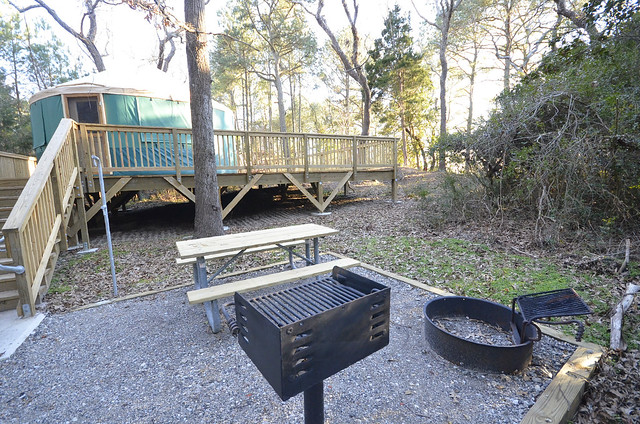
Waking up on the Eastern Shore with a view of the Chesapeake Bay is such a relaxing way to start the day. You have a variety of overnight accommodations to choose from including, two- and three-bedroom cabins, six-bedroom lodges, RV and tent camping, yurts and a bunkhouse. If you haven’t stayed in a yurt before, it is like camping but not having to sleep on the ground. They offer protection from the elements but do not come with climate controls or electricity. Each one is elevated and has a nice decking area with chairs. Another bonus to staying at the park is that the only deluxe yurt is at Kiptopeke, which offers climate control and electricity.
Cabins, lodges and bunkhouses at Kiptopeke offer an economical and comfortable way to enjoy a longer stay at the park. As with all Virginia State Park lodgings, you will need to bring your own linens and towels, as they are not provided. Your dog can stay in the cabin or lodge with you for an additional $20 per pet, per night. Dogs are not allowed to stay in the yurts.

No matter which option you choose, staying overnight is a great way to unplug, unwind and connect with nature.
Plan your visit
Kiptopeke brings nature to life with seasonal programs designed for all ages. Join a beach safari, embark on an owl prowl or learn hands-on skills like kayaking, crabbing, seine netting, lure-making and more. End your day gathered around a cozy campfire, sharing stories under the stars.
Programs at the park include seining, art in the park, owl prowl and turtle walks. Programs are seasonal, so be sure to check the website for upcoming events.
Unforgettable views and endless outdoor adventures are waiting for you at Kiptopeke State Park, so be sure to book your stay today.
If you have read the article and have a question, please email nancy.heltman@dcr.virginia.gov.
Search for blogs
By Park
Categories
Cabins
Camping
Fishing
History and Culture
Other
Programs and Events
Trails
Volunteers
Water Fun
Archive
2026
2025
2024
2023
2022
2021
2020
2019
2018
2017
2016
2015
2014
2012