Celebrating the Civilian Conservation Corps’ impact on infrastructure and architecture - cabins and lodges
90th anniversary of Virginia State Parks
Cabins and lodges
CCC-built cabins and lodges each offer distinct experiences rooted in New Deal–era craftsmanship. Most parks used traditional rustic “parkitecture” design used throughout the United States at the time; hand-hewn logs, native stone, exposed rafters and large chimneys that created simple, durable and intimate family cabins.
But some parks broke from this model. First Landing State Park stands out for its Colonial Revival–style wood frame construction, drawing on common historic architecture in Tidewater Virginia with clapboard siding and gabled roofs suited to the coastal environment.
Some parks, like Westmoreland State Park, blend the two approaches, featuring both log structures and framed buildings with weatherboard siding and stone details.
Lodges, unlike the smaller family cabins, were built to bring people together. These larger multi-room buildings, whether constructed in log or frame, include shared living areas, multiple bedrooms and expanded kitchens designed for retreats, reunions and youth groups.
While cabins offer privacy and a quiet connection to nature, lodges encourage community gatherings. Together, their varied architectural styles reflect the CCC’s adaptability, skill and lasting impact on the landscapes and visitor experiences of Virginia State Parks.
Click to enlarge the image.
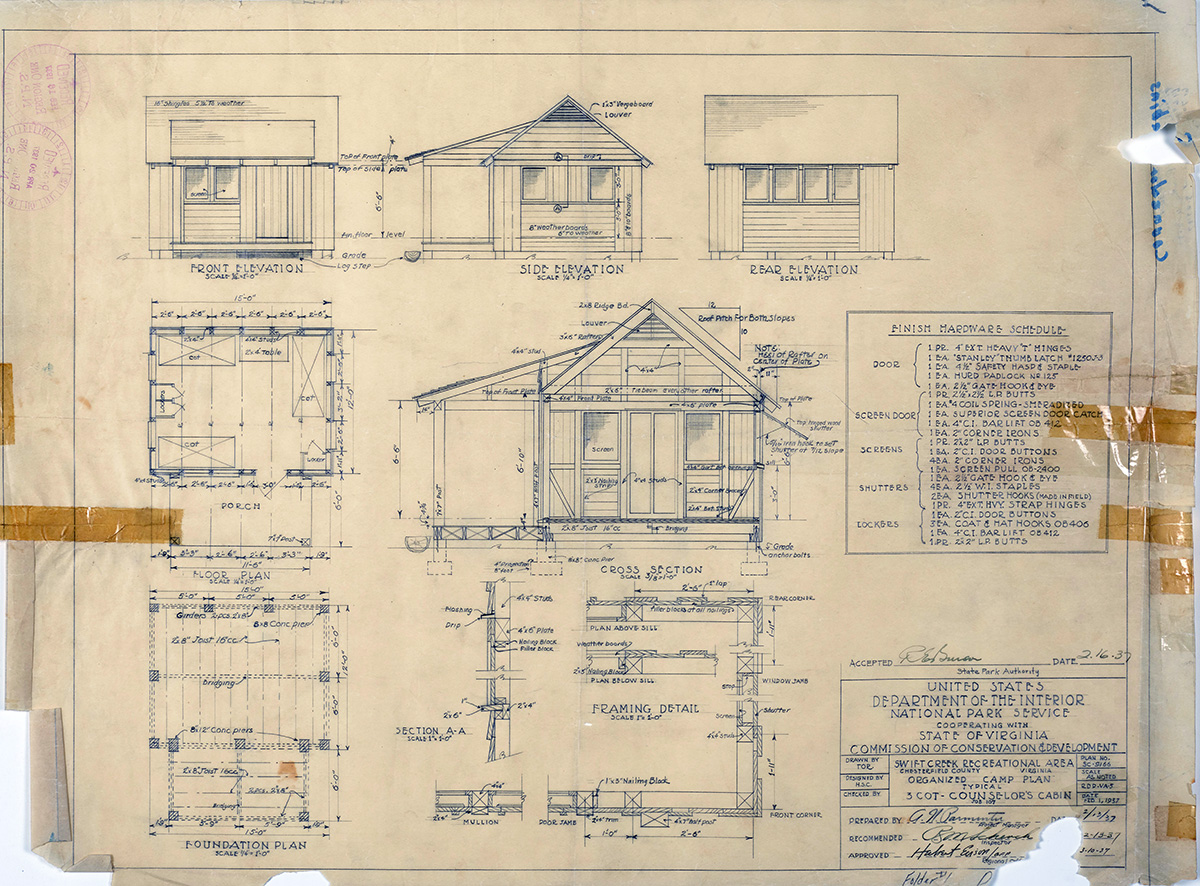
Blueprint of a cabin at Pocahontas State Park
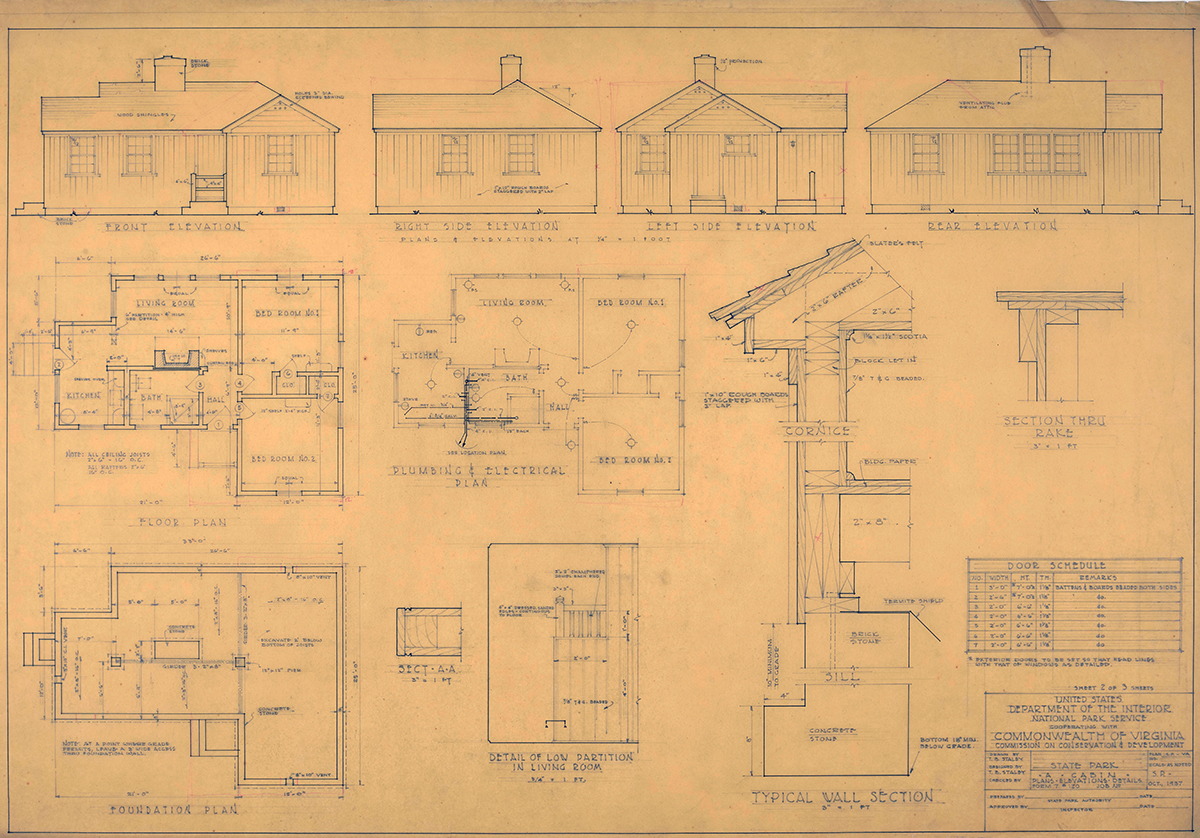
Blueprint of a cabin at Westmoreland State Park
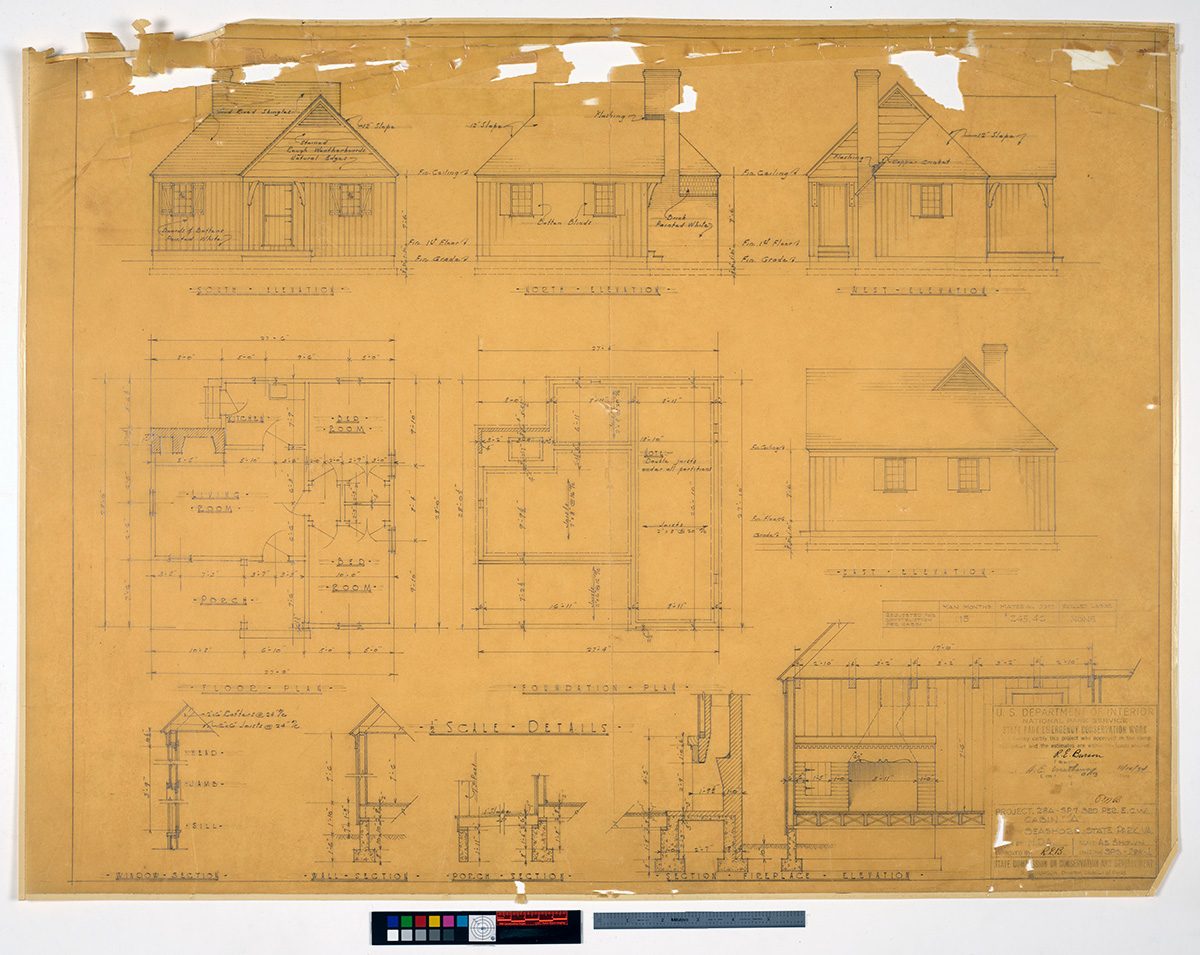
Blueprints for a cabin at First Landing State Park
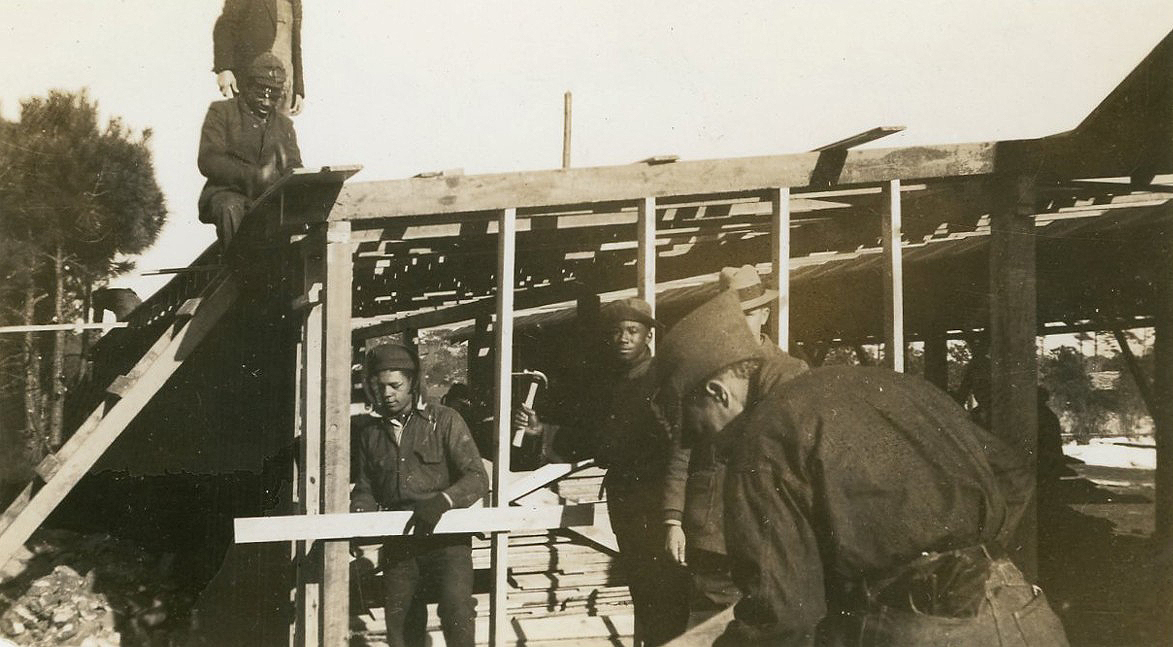
CCC building a cabin at First Landing State Park
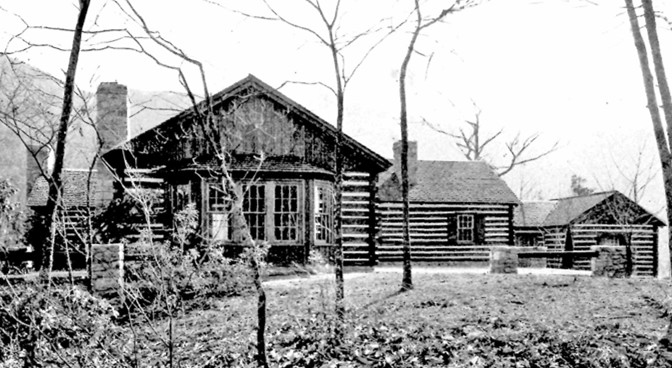
CCC-built Douthat Lodge in the 1930s
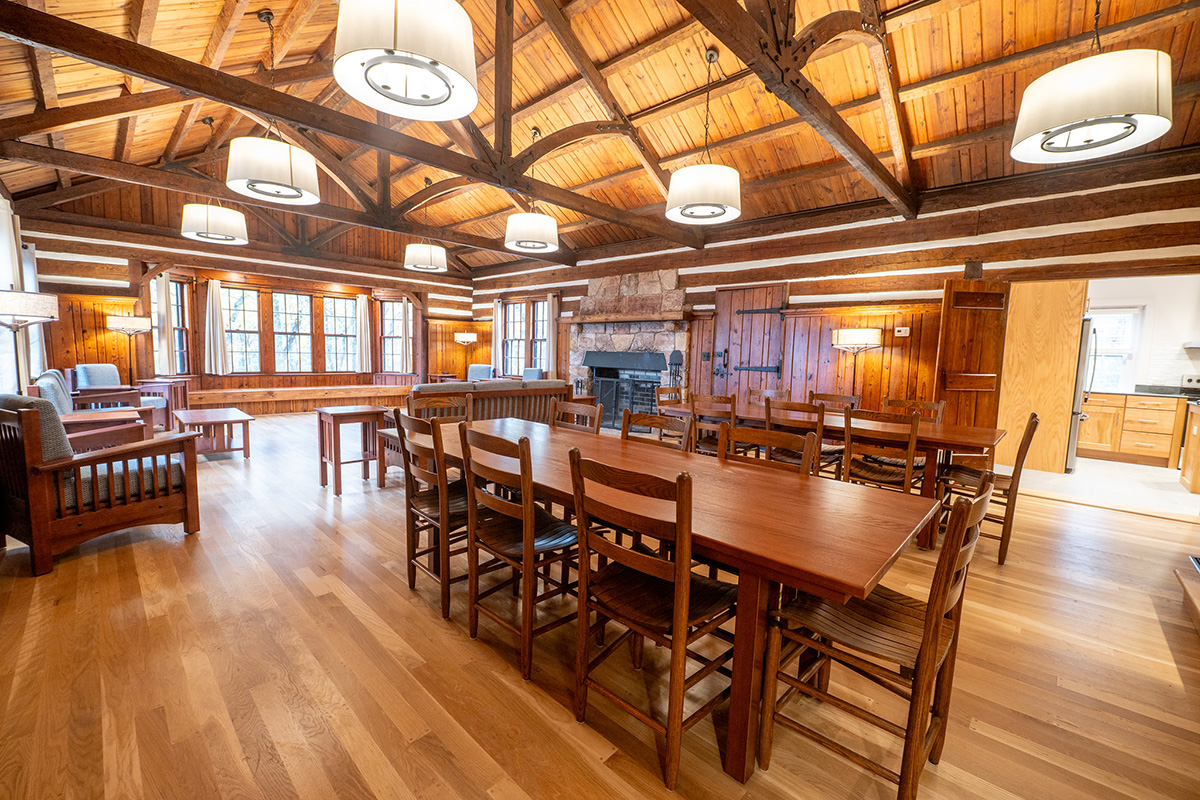
The interior of Douthat Lodge today
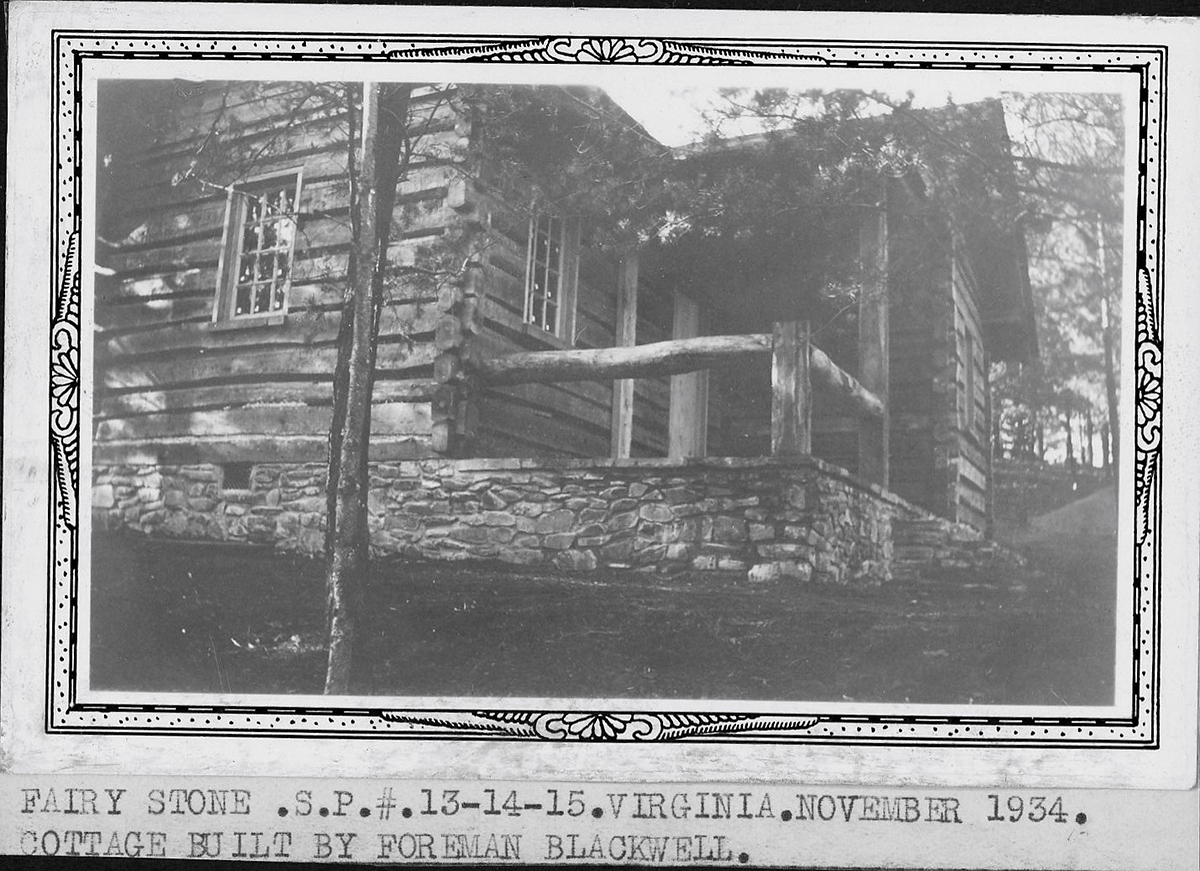
A CCC-built cabin at Fairy Stone State Park in 1943
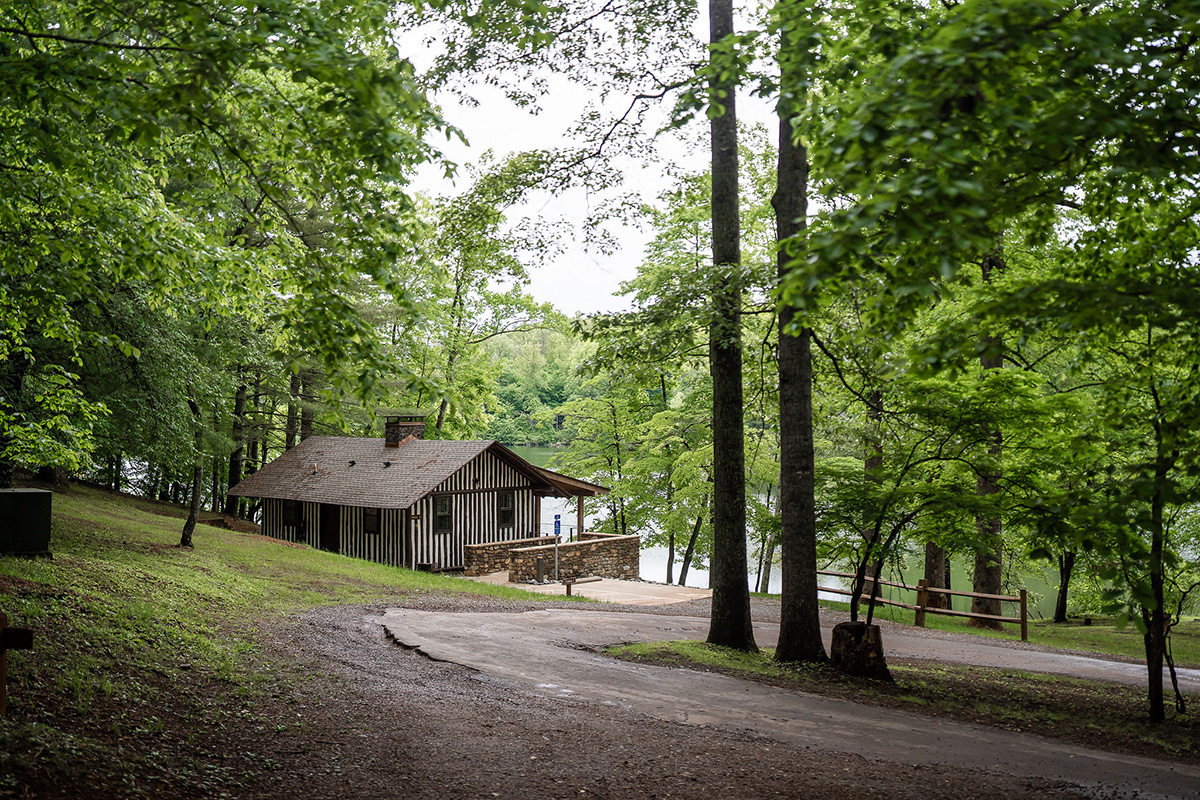
A CCC-built cabin at Fairy Stone State Park today
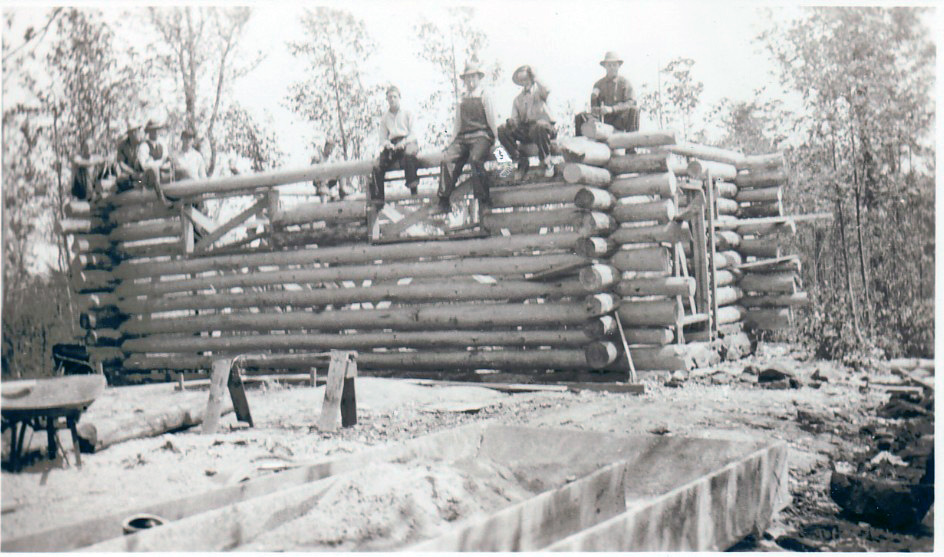
Cabin construction at Westmoreland State Park
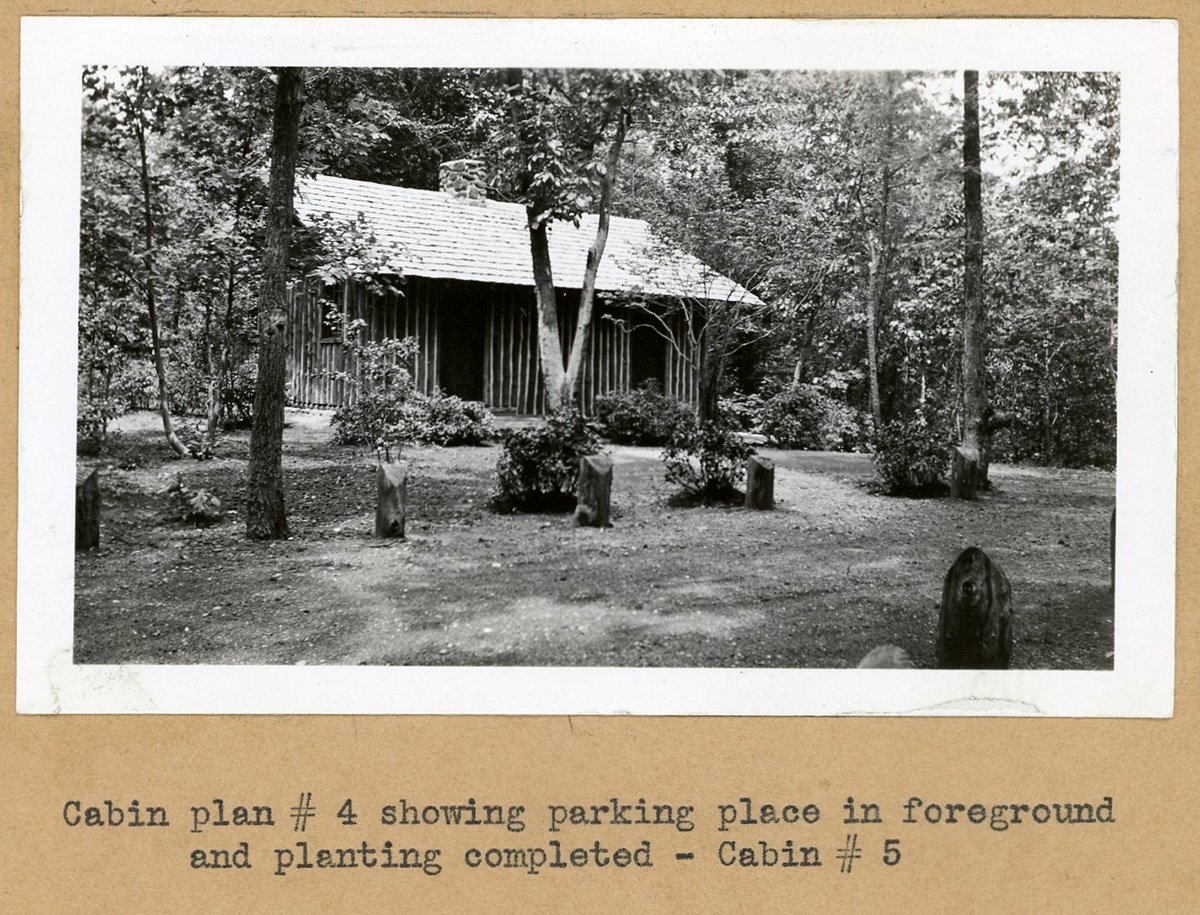
Cabin 5 at Westmoreland State Park
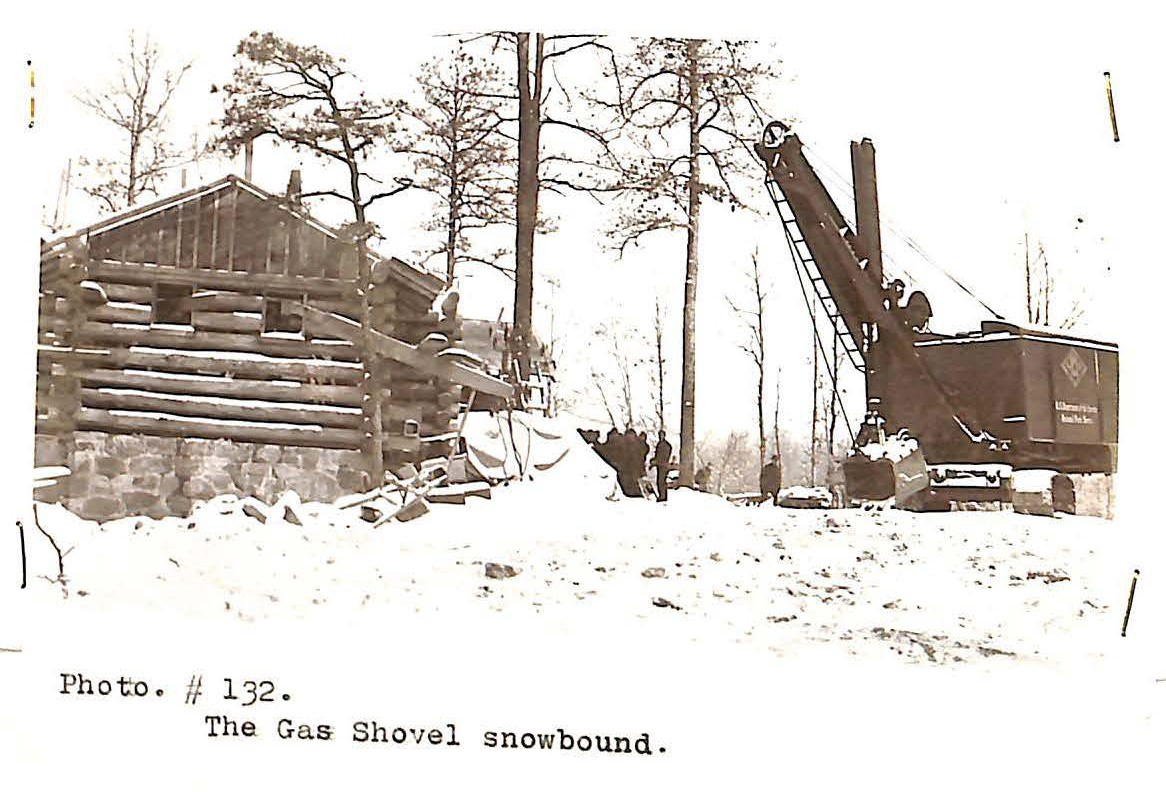
Using a shovel to build a cabin at Hungry Mother
These landmarks aren’t just historic; they’re living pieces of our shared outdoor heritage, still supporting, inspiring and welcoming visitors nearly a century after they were built.
Next time you visit a Virginia State Park, take a moment to look a little closer. You might be standing beside a piece of history.
We invite you to rediscover the legacy that makes our parks not only breathtaking, but truly one of a kind.
Explore more CCC structures
Fireplaces | Picnic shelters and water fountains | Bridges and culverts | Dams and spillways | Infrastructure | Cabins and lodges | Unique places | Welcome signs | CCC 90th
Find a Job at
Virginia State Parks

Order your Virginia State Parks
license plate